Christmas Budgie Broken Wall 3: A Designer's Real-World Review
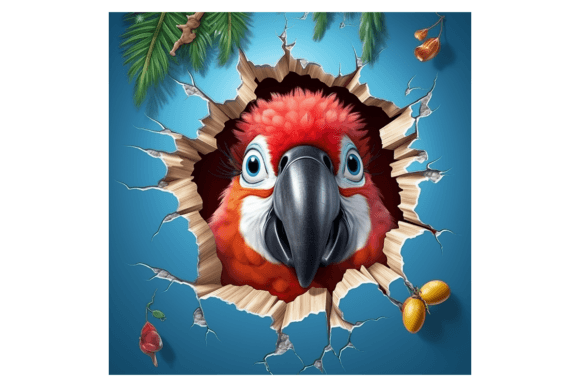
I have spent years reviewing embroidery files for my own boutique and for clients who run busy craft businesses. When I first opened the Christmas Budgie Broken Wall 3 file, I didn't just look at the image; I immediately started visualizing how it would sit on a piece of fabric. As an Illustrations category design, this piece has a distinct personality that separates it from generic holiday motifs. It feels less like a standard clipart and more like a scene from a storybook waiting to be stitched.
The mood is cozy, slightly rustic, and undeniably festive without being overwhelming. The concept of a budgie interacting with a broken wall offers a unique narrative hook. For designers looking for something that stands out in a sea of Santa hats and reindeer, this embroidery project offers a fresh angle. But does it hold up under the needle? Let's break down how this design performs when moved from the screen to a real-world application.
First Impressions and Visual Personality
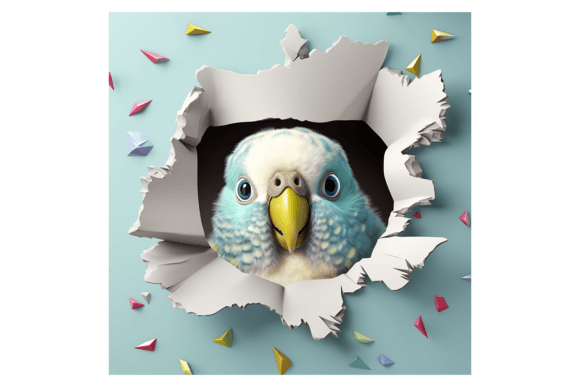
The layout of Christmas Budgie Broken Wall 3 suggests a strong focal point. In my experience, the most successful machine embroidery design files are those that balance detail with readability. This design seems to lean into a charming, illustrative style. The "broken wall" element likely provides a textured background that can add depth to the final product, while the budgie serves as the character that draws the eye.
When I think about the visual appeal, I see this working beautifully as a statement piece on a larger canvas, such as a kitchen towel or a tote bag. The theme is specific enough to spark conversation but broad enough to fit general holiday decor. It creates a sense of warmth that customers love when they are shopping for personalized gifts. Unlike some designs that feel cold or overly digital, this one has a handcrafted vibe that aligns perfectly with the handmade market.
Real-Life Application: The Custom Tote Bag Scenario
To truly test a design, you have to imagine it in action. Let's say I am preparing for the upcoming holiday season and I want to create a limited run of custom embroidered tote bags for a local artisan fair. I need something that screams "gift-ready" but doesn't look mass-produced.
I would place Christmas Budgie Broken Wall 3 on the front center of a natural cotton canvas tote. The contrast between the earthy tone of the bag and the vibrant colors of the budgie design would pop. Because the design includes a "wall" element, it allows for some interesting textural play if the stitch density varies. If I were selling these at a craft fair, I would highlight the unique illustration aspect. Customers often pay a premium for designs that tell a story, and a little bird perched on a brick wall tells a much more engaging story than a simple snowflake.
This same logic applies to other products. Imagine this design on a sweatshirt for a family holiday photo. The broken wall could frame the subjects, or simply serve as a cute backdrop for the wearer. For a baby item, like a onesie or a burp cloth, the softness of the illustration fits the gentle aesthetic parents prefer. However, the key is placement. On a cap or a hat, the curvature of the surface might distort the details of the wall, so I would advise caution there unless the design is simplified.
Technical Performance and Stitch Clarity
As an experienced reviewer, I know that a pretty picture isn't enough; the stitch density must support the design. If Christmas Budgie Broken Wall 3 relies heavily on tiny running stitch lines to define the feathers or the cracks in the wall, it might struggle on stretchy fabrics like jersey or thin materials like silk. These fabrics require careful stabilizer selection to prevent puckering.
If the design utilizes a mix of satin stitch for outlines and fill stitch for the body of the bird, it should produce a durable and professional finish suitable for commercial use. However, I always recommend testing the embroidery file on scrap fabric first. You need to check if the thread colors chosen will blend too much with the background or if they will stand out clearly. On dark fabric, light threads might get lost, requiring a backing layer or a different color palette entirely.
For embroidered patches, this design could work well if the border is clean and the detail level is appropriate for the patch size. If the design is too intricate for a small patch, the details will disappear, leaving a muddy blob. Always inspect the small details before committing to a large production run. If you are using this for commercial embroidery, ensure that the hoop size you plan to use can accommodate the full width of the design without cutting off the edges of the wall.
Where to Use Carefully
Not every surface is a good match for every design. While Christmas Budgie Broken Wall 3 is versatile, there are specific scenarios where it might not shine. Avoid using this on very small hoop sizes (like 4x4 inches) if the design contains fine lines or complex textures. The resolution might drop, and the "broken wall" effect could look unintentional rather than artistic.
Layered garments, such as hoodies with heavy fleece linings, can sometimes hide the texture of the embroidery. If the design relies on subtle shading, the bulk of the fabric might flatten it out. Similarly, on curved surfaces like baseball caps, the perspective changes drastically. A design that looks balanced on a flat tote bag might look skewed on a rounded crown. In these cases, consider simplifying the design or adjusting the digitization if possible.
Products that need frequent washing, like dish towels or aprons, benefit from high-density stitching. If the design has loose areas, it may snag or wear down quickly after multiple wash cycles. Always confirm the durability of the stitch pattern before listing a product as a long-term solution.
Impact on Brand and Customer Trust
In the world of Etsy sellers and small shop products, presentation is everything. A high-quality finished product builds trust. When a customer receives a gift with Christmas Budgie Broken Wall 3 embroidered neatly, they perceive value. They see the effort and the skill involved. This elevates the perceived worth of the item, allowing you to price your handmade product competitively.
The design also aids in brand consistency. If your shop focuses on whimsical, nature-inspired, or holiday-themed items, this illustration fits right in. It helps create a cohesive look across your digital product previews and physical listings. Buyers appreciate when a designer understands the nuances of their craft, and using a design that holds its shape and clarity demonstrates that expertise.
Practical Notes for the Designer
Before you start stitching, here is my checklist for working with this file:
- Test on Scrap Fabric: Always run a test on the exact fabric type you intend to use to check for tension and puckering.
- Check Thread Contrast: Ensure the thread colors selected provide enough contrast against your background material.
- Review Stitch Density: Look for areas that might be too dense or too sparse, especially around the detailed corners of the wall.
- Confirm Hoop Size: Make sure your machine's hoop can handle the dimensions of the design without cropping.
- Inspect Small Details: Zoom in on the digitization to see if any fine lines might break during stitching.
- Test in Black and White: Convert the mockup to grayscale to ensure the values work even if the colors aren't perfect.
- Stabilizer Selection: Use the proper stabilizer for your fabric weight to maintain the integrity of the embroidery project.
- Licensing Check: Verify the terms of use before selling finished items or distributing the digital embroidery file.
Christmas Budgie Broken Wall 3 is a solid addition to any designer's library. It offers a unique blend of character and setting that can elevate a simple holiday gift into a cherished keepsake. Whether you are making a single personalized gift for a friend or producing a batch of apparel decorators for a seasonal sale, this design provides the visual interest needed to capture attention. Just remember to respect the technical limitations of the medium, and you will end up with a beautiful result that your customers will love.